Western Balkans · EU Candidate Country
Montenegro
A small Adriatic country where day-to-day life runs in euros, headline taxes are low, and a dedicated digital nomad residence route exists. Municipal surtaxes push real rates above the headlines.
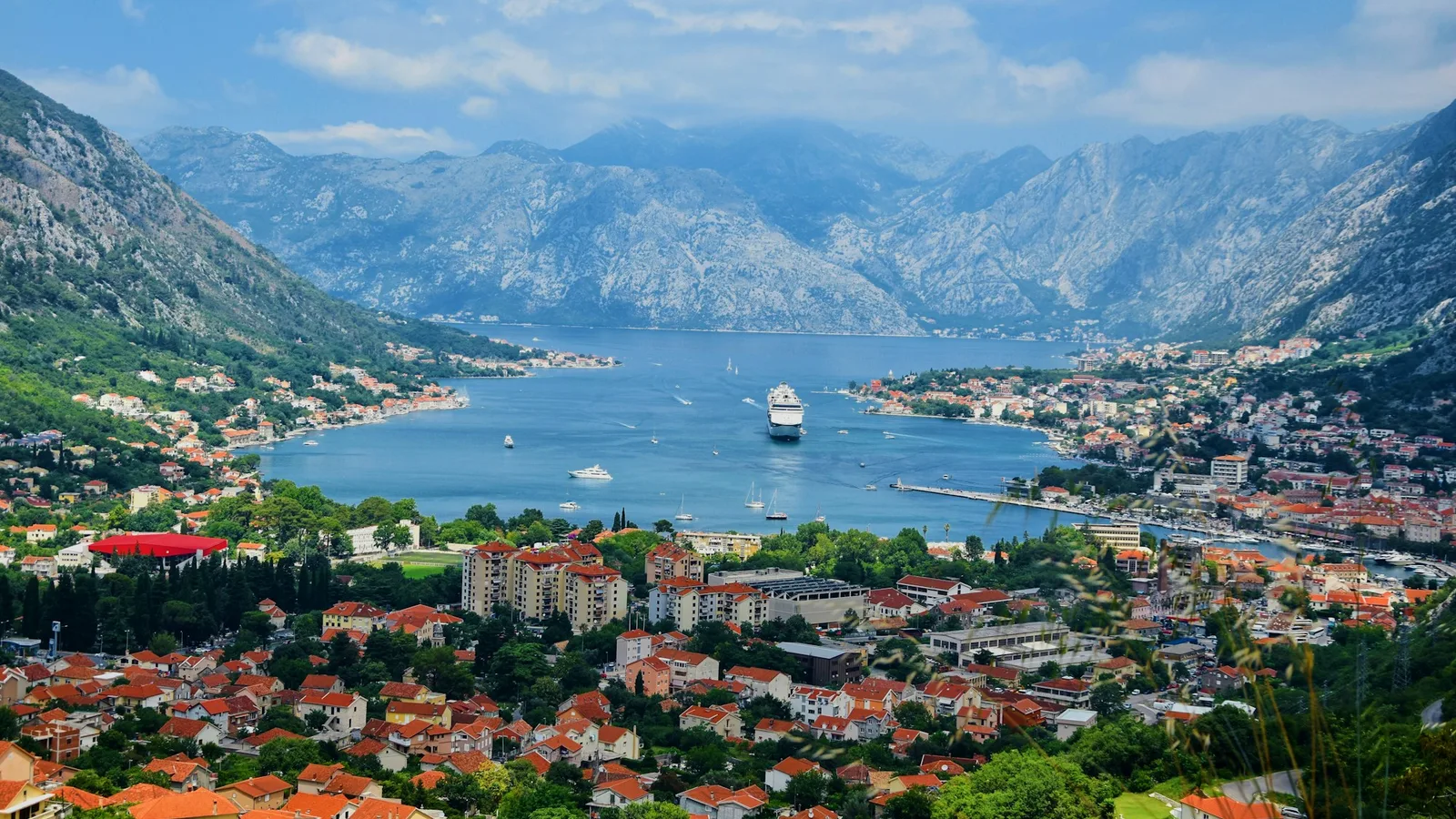
Photo by olga brajnovic on Unsplash
In plain terms
Analyst note
Montenegro still combines euroised day-to-day life with relatively low headline tax rates, but the residency story is more nuanced than a pure 183-day shorthand. Tax residence can arise through domicile or a centre of personal and economic interests or through 183 days in a tax year, while longer stays split between nationality-specific visa-free access, C/D visas, digital nomad residence, and separate temporary residence-and-work routes.
Suitability
Tax
Resident individuals are taxed on worldwide income and non-residents on Montenegro-source income. Salary and entrepreneurial income use 0% / 9% / 15% bands, many other personal-income categories are taxed at 15%, companies face 9% / 12% / 15% progressive CIT, and municipal surtax means the effective personal burden can run above the headline PIT bands.
Montenegro still markets a simple low-tax profile, but municipal surtax and the new 2026 qualified domestic minimum top-up tax mean headline 9% / 15% summaries can miss the real effective outcome.
Residency
Montenegrin tax residence is a tax concept rather than a permit label. Under the current residence summary, an individual is treated as resident if they have a domicile in Montenegro or their centre of personal and economic interests is there, or if they spend at least 183 days in a tax year in Montenegro. Visa-free entry, a D visa, a digital nomad permit, or a temporary residence-and-work permit can support lawful stay, but those immigration statuses do not by themselves settle Montenegrin tax residence.
- •Many nationals can still enter visa-free for up to 90 days, but some travellers instead rely on 30-day ID-card or third-country-visa / residence-permit facilitation, so the current government visa regime should be checked against the traveller’s passport.
- •Short-stay visa (C) — up to 90 days in any 180-day period from first entry.
- •Long-stay visa (D) — more than 90 days but not more than 180 days in one year from first entry; current official grounds include business / work and digital nomads.
- •Digital nomad temporary residence permit — for people working electronically for a foreign employer or their own company not registered in Montenegro; issued for up to two years and extendable for up to two more.
- •Temporary residence and work permission remains the route for local employment, seasonal work, or other work-authorised activity and should not be confused with tax residence.
Montenegrin tax residence can arise before 183 days through domicile or centre-of-interests facts, so a pure day-count summary is incomplete.
Short-stay access depends on nationality or third-country-document status, while longer stays split between D visas, digital nomad residence, and separate work-authorised permits that should be checked route by route.
Cost
Lifestyle
Cautions
- Montenegrin tax residence is not only a 183-day issue: domicile and the centre of personal / economic interests can also trigger residence.
- Municipal surtax means the effective PIT cost can exceed the headline 0% / 9% / 15% bands.
- Montenegro uses the euro but is outside the EU and Eurozone institutions, so do not assume EU free movement or single-market rights from a Montenegrin base.
- Visa-free access, digital nomad stay rights, and temporary residence-and-work permissions are separate from tax residence and depend on current nationality- and route-specific rules.
- Coastal rents (Kotor, Budva, Tivat) significantly higher than Podgorica — €900–€1,500 vs €450–€700 for 1-bed.
Keep researching Montenegro
Use this profile as a starting point, then confirm the relevant tax, residency, and business rules with a licensed professional before you act.