Southwestern Europe · Non-EU Microstate
Andorra
A small mountain country between Spain and France where personal and corporate tax both top out at 10%. Getting residency is the hard part: routes are quota-limited and need real commitment.
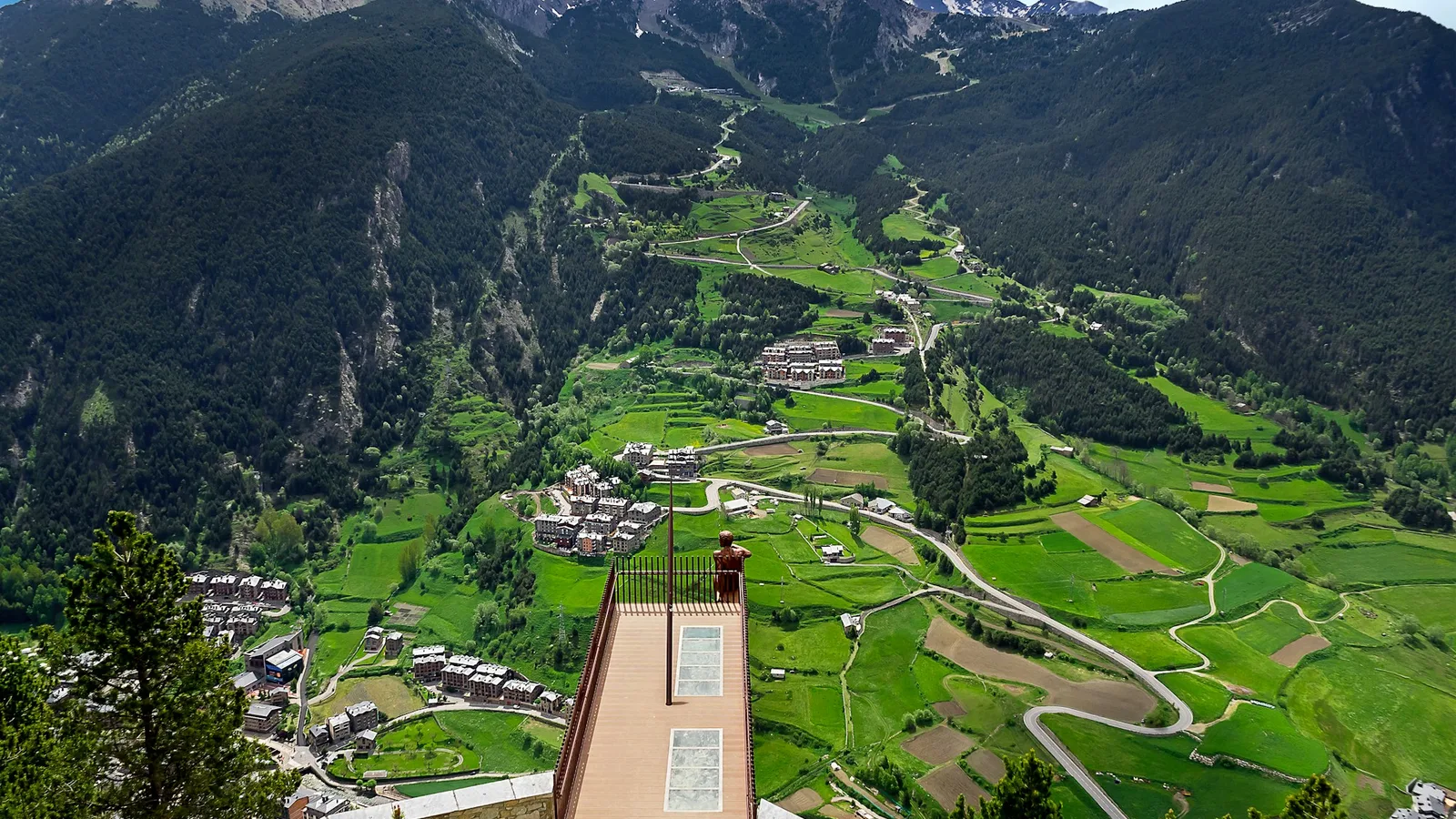
Photo by Manuel Torres Garcia on Unsplash
In plain terms
Analyst note
Andorra still offers a low-headline tax profile — a 10% top personal income tax rate and 10% standard corporate income tax — but the residency story is more nuanced than the old “183 days plus a company” shorthand. Tax residence can arise through the 183-day rule or the main-centre-of-economic-interests test, while immigration now splits between active work routes and 90-day non-work / digital-nomad permissions under live quota rules.
Suitability
Tax
UNABLE TO VERIFYPillar Two adoption was not clearly confirmed in the reviewed Andorran and OECD materials as of 2026-04-20.
Andorra is low-tax, not no-tax. Resident individuals are taxed on worldwide income under IRPF, with 0% / 5% / 10% brackets topping out at 10%, while companies generally face 10% CIT. The country has no general inheritance or wealth tax, but dividend and capital-gain outcomes depend on the precise asset, participation, and holding facts rather than one blanket exemption.
Andorra still markets a simple low-tax pitch, but capital-gain treatment and Pillar Two status are easy to oversimplify and should be checked against live law and OECD materials.
Residency
Andorran tax residence is a tax test, not a permit label. Under the current IRPF guidance, an individual is generally tax resident if they spend more than 183 days in Andorra in the calendar year or if Andorra is the principal core or base of their economic interests; there is also a rebuttable presumption when a non-legally-separated spouse and minor dependent children are tax resident there. Immigration permissions such as residence-and-work, self-employed, digital-nomad, or other non-work residence routes are separate analyses and do not by themselves settle tax residence.
- •A.1 residence and work route — permanent and effective residence in Andorra, an indefinite employment contract with an Andorran employer, and an available quota slot
- •J.1 self-employed residence and work route — permanent self-employed activity in Andorra through the separate self-employed authorization workflow; recent housing-growth reforms mean contribution and investment mechanics should be checked on the live government pages before filing
- •D.3 digital nomad residence — remote work that does not require a fixed geographic location, a favorable resolution from the ministry responsible for the economy, and at least 90 days per year of principal and effective residence in Andorra
- •D.1 residence without work — at least 90 days per year in Andorra; sub-routes such as non-lucrative residence, international projection, or scientific / cultural / sporting residence have their own deposit, investment, and income requirements
- •Andorra is outside the EU and Schengen, so Andorran residence does not itself confer EU free movement and most practical travel still routes through Spain or France
Andorran tax residence is not determined only by a day count: economic-interest facts and the spouse / minor-child presumption can also matter.
Andorra’s immigration rules are quota-driven and have changed recently, so self-employed, non-work, and digital-nomad conditions should be checked on the live government pages before relying on older summaries.
Cost
Lifestyle
Cautions
- Andorran tax residence is not only a 183-day question: the main-centre-of-economic-interests test and the family presumption can also matter.
- The official digital nomad route is a non-work residence permission with a 90-day annual presence requirement; it does not by itself guarantee Andorran tax residence.
- Self-employed and other residence conditions moved materially in the 2025-2026 housing-growth reforms, so live quotas, contribution mechanics, and investment thresholds should be checked before acting.
- Andorra is outside the EU and Schengen Area, so Andorran residence does not itself create EU free-movement rights.
- Low headline tax rates do not remove CASS and local compliance costs for active workers or business owners.
Keep researching Andorra
Use this profile as a starting point, then confirm the relevant tax, residency, and business rules with a licensed professional before you act.