Western Balkans · EU Candidate Country
Albania
A cheap, low-key Balkan base with modest taxes that reward careful setup. The old flat-tax stories are outdated, but small earners and the self-employed can still do very well here.
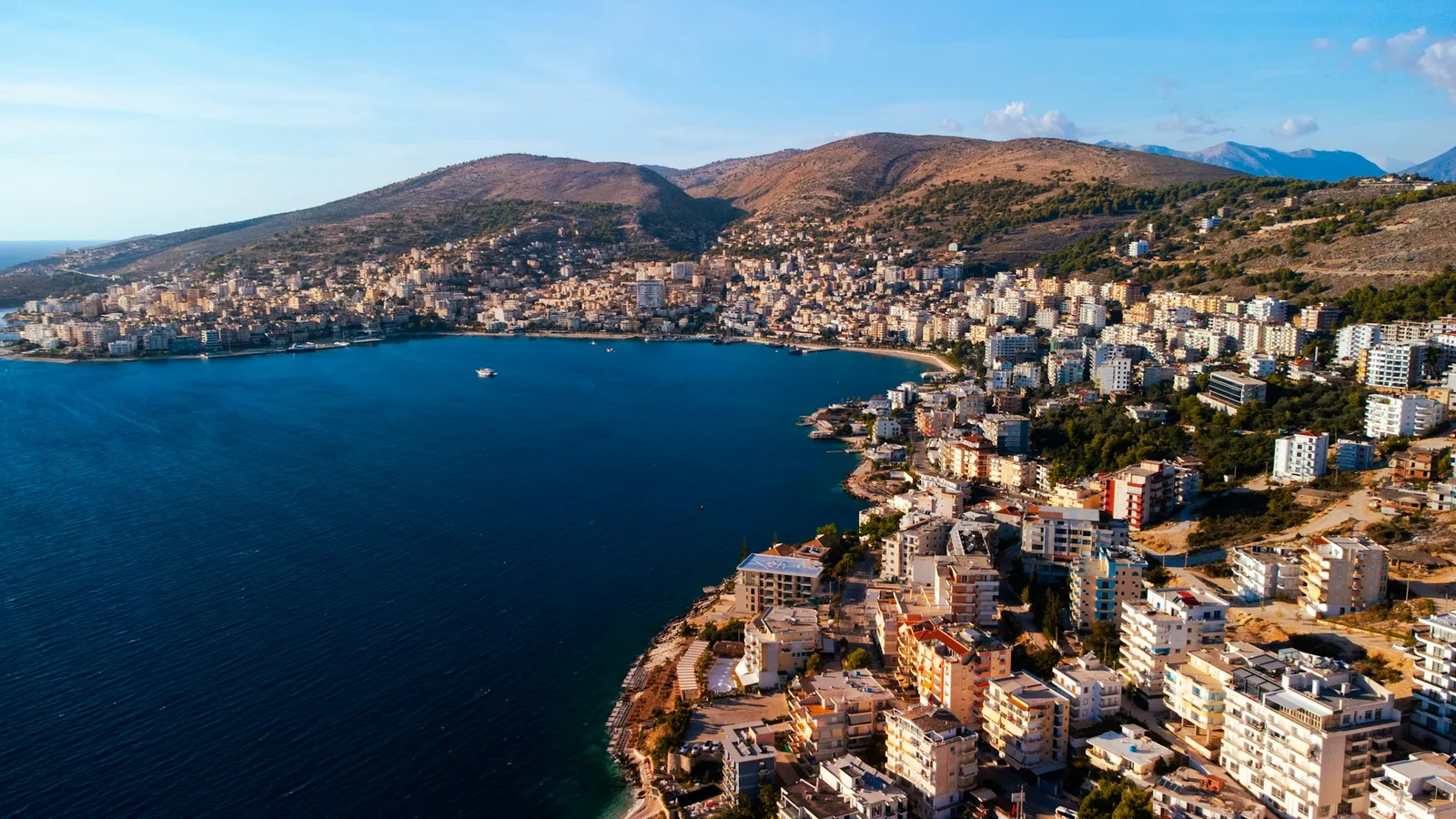
Photo by Karol Chomka on Unsplash
In plain terms
Analyst note
Albania can still work as a low-cost Balkan base, but its tax story is more nuanced than the old flat-rate pitch: standard corporate income tax is 15%, employment income is generally taxed at 13% and 23%, and qualifying small-business or self-employed cases can access separate 0%-through-2029 relief. Tax residence can arise through a permanent home or more than 183 days in a calendar year, while longer stays run through residence or unique-permit routes rather than a simple visa-free nomad model.
Suitability
Tax
UNABLE TO VERIFYPillar Two adoption was not confirmed in the primary Albanian and OECD materials reviewed as of 2026-04-20.
Do not model Albania as a simple “23% corporate / 23% personal” jurisdiction. Standard CIT is 15%, employment income is generally taxed at 13% and 23%, dividends are taxed at 8%, and the often-cited 0% / 15% / 23% scales mainly relate to business-income treatment for commercial individuals, self-employed persons, or entities benefiting from the ALL 14 million small-business threshold through 2029.
Albania’s low-tax pitch is easy to oversimplify because employment, business, and corporate income sit in different schedules, the ALL 14 million relief is conditional, and Pillar Two status was not clearly confirmed in the reviewed materials.
Residency
Albanian tax residency is a tax concept rather than a permit label. Under PwC’s summary of the current rules, an individual is treated as resident if they have a permanent home in Albania or if they stay in Albania, consecutively or intermittently, for more than 183 days in a calendar year; treaty tie-breakers can still matter where a double-tax treaty applies.
- •Short-stay treatment depends on passport and the official visa-regime table; when a visa is required, Type C is the short-stay route for up to 90 days in any 180-day period from first entry.
- •Albania also waives visas for some travellers who already hold previously used multiple-entry Schengen, US, or UK visas or residence permits, but eligibility must match the current official table.
- •Type D is the long-stay visa for foreigners who intend to reside more than 90 days within 180 days and need a visa in order to access a residence permit; it is valid for one year with a 90-day stay entitlement and supports the follow-on residence-permit application after entry.
- •The e-Albania residence-permit workflow covers stays over 90 days on grounds such as family reunion, study, humanitarian reasons, pensioner status, or real-estate use.
- •The e-Albania unique-permit workflow covers stay-and-work grounds including employment, self-employment, highly qualified employees, intra-company transfers, investors, and digital movers.
Albanian tax residence is not determined only by day count: the permanent-home test can also trigger residence, and treaty tie-breakers may still matter for cross-border individuals.
Albania’s immigration position mixes passport-based short-stay treatment, visa exemptions linked to certain third-country visas or permits, and e-Albania residence / unique-permit workflows whose route details should be checked before travel or filing.
Cost
Lifestyle
Cautions
- Albania is outside the EU and Schengen, so Albanian residence does not confer EU free movement rights.
- Albanian tax residence is not only a 183-day issue: a permanent home in Albania can also trigger residence, with treaty tie-breakers potentially relevant in cross-border cases.
- Standard corporate income tax is 15%; the 0% / 15% / 23% scales often cited online mainly relate to business-income treatment for qualifying self-employed or small-business cases rather than the general CIT headline.
- Short-stay exemptions depend on passport and the current official visa-regime table; some travellers can rely on previously used Schengen / US / UK visas or permits, but do not assume a broad visa-free right without checking the current rule that applies to your nationality.
- Healthcare quality is limited outside Tirana; serious cases often require treatment abroad.
Keep researching Albania
Use this profile as a starting point, then confirm the relevant tax, residency, and business rules with a licensed professional before you act.